
Socially conscious startups in Latin America raised over USD 4.5 billion in venture capital in 2024. Impact-driven founders across the continent now solve problems in recycling, water, energy, and financial access.
Eight startups from Colombia, Chile, Brazil, Argentina, and Peru now lead this movement. Betterfly reached unicorn status at USD 1 billion. Eureciclo compensated 458,000 tons of waste. Kilimo partnered with Microsoft to save water in California. Creditú cut mortgage approval times to under 48 hours.
The Startup VC tracks purpose-driven innovation across Latin America’s fastest-growing markets. Below, you will find updated profiles of eight socially conscious startups, 2026 funding data, and actionable strategies for impact-focused founders.
What Are Socially Conscious Startups in Latin America?
Socially conscious startups in Latin America are technology-driven companies that solve social or environmental problems. These businesses combine innovation with purpose. They address issues like waste reduction, financial exclusion, and limited healthcare access.
Latin America hosts over 2,126 active startups in Colombia alone. Chile ranks as a global benchmark for SaaS and healthtech. Brazil and Mexico attract 70% of all venture capital in Latin America. This growing ecosystem now prioritizes measurable social impact alongside profit.

Why Is Latin America Attracting Impact-Driven Entrepreneurs?
Latin America is attracting impact-driven entrepreneurs because Latin America combines vast natural resources with urgent social needs. Colombia, Chile, and Mexico each offer growing digital infrastructure. Government programs like Start-Up Chile and Colombia’s National Digital Strategy support founders directly.
Consumer demand for ethical goods and services continues to rise across Latin America. RSM reports that 82% of Latin American companies now consider ESG reporting a critical priority. This shift creates strong market conditions for startups that deliver both profit and purpose.
How Has the Startup Ecosystem Changed Since 2021?
The startup ecosystem has changed since 2021 by shifting from “growth at all costs” to capital efficiency. In 2021, venture capitalists invested USD 19.5 billion in Latin American startups. By 2024, total VC investment stabilized at USD 4.5 billion. This correction produced more resilient, profitable companies.
Latin American founders now follow a “camel” philosophy. They prioritize sustainable growth over rapid expansion. Late-stage deals (Series C and beyond) surged 55% in 2024. International investors returned to back Latin America’s strongest companies. This maturity benefits socially conscious startups that build for long-term impact.
How Much Venture Capital Flows into Latin American Startups?
USD 4.5 billion in venture capital flowed into Latin American startups in 2024. This figure represents an 8% increase from 2023. Quarterly investment normalized at roughly USD 1 billion. The market shows healthy recovery after the post-pandemic correction.
Which Countries Lead Startup Funding in Latin America?
The countries that lead startup funding in Latin America are Brazil and Mexico. Together they attract 70% of all venture capital in Latin America. Colombia, Argentina, and Chile round out the top five. Each country has developed specialized strengths in different sectors.
| Country | 2024 VC Funding (USD) | Market Share | Key Strength |
|---|---|---|---|
| Brazil | $2.01 Billion | 44.7% | Fintech, circular economy |
| Mexico | $1.18 Billion | 26.2% | Nearshoring, green manufacturing |
| Colombia | $513 Million | 11.4% | Climate-tech, digital inclusion |
| Argentina | $418 Million | 9.3% | Agtech, water stewardship |
| Chile | $205 Million | 4.6% | SaaS, insurtech, healthtech |
What Role Does Impact Investing Play in Latin America?
Impact investing plays a central role in Latin America by funding startups that solve social and environmental problems. The concept has moved from a marketing tool to a core business requirement. In 2024, agtech funding alone reached USD 200 million. That figure represents a 5.4-fold increase over 2020 levels.
Large institutions now commit billions to sustainable development in Latin America. The Japan International Cooperation Agency and IDB Invest launched a USD 1 billion TADAC fund in 2024. The European Investment Bank provided EUR 1.8 billion in 2025 for green transport and clean energy projects. These funds create new opportunities for socially conscious founders.
Which Funds and Accelerators Support Socially Conscious Startups?
The funds and accelerators that support socially conscious startups include both regional specialists and global institutions. These organizations provide capital, mentorship, and market access to impact-driven founders across Latin America.
- ALIVE Ventures – An impact fund backing Andean startups like Creditú and SunCompany that tackle inequality and renewable energy.
- Rockstart Tech For Good – An accelerator selecting early-stage impact startups from thousands of applicants each year for hands-on support.
- Zero Gap Fund – A partnership between the Rockefeller and MacArthur Foundations that has mobilized over USD 1.05 billion toward Sustainable Development Goals.
- JICA-IDB TADAC Fund – A USD 1 billion fund from Japan and IDB Invest to boost private investment in sustainable development across Latin America.
- European Investment Bank – Committed EUR 1.8 billion in 2025 for green transport, clean energy, and digital connectivity in Latin America.
How Has Amazóniko Scaled Colombia’s Recycling Movement?
Amazóniko has scaled Colombia’s recycling movement by building a collaborative digital network that connects households, businesses, and waste pickers. Founded in Bogotá in 2017, the company started as a home recycling subscription service. It has since evolved into a key partner for circular economy logistics in Colombia.
How Does Amazóniko’s Collaborative Recycling Network Work?
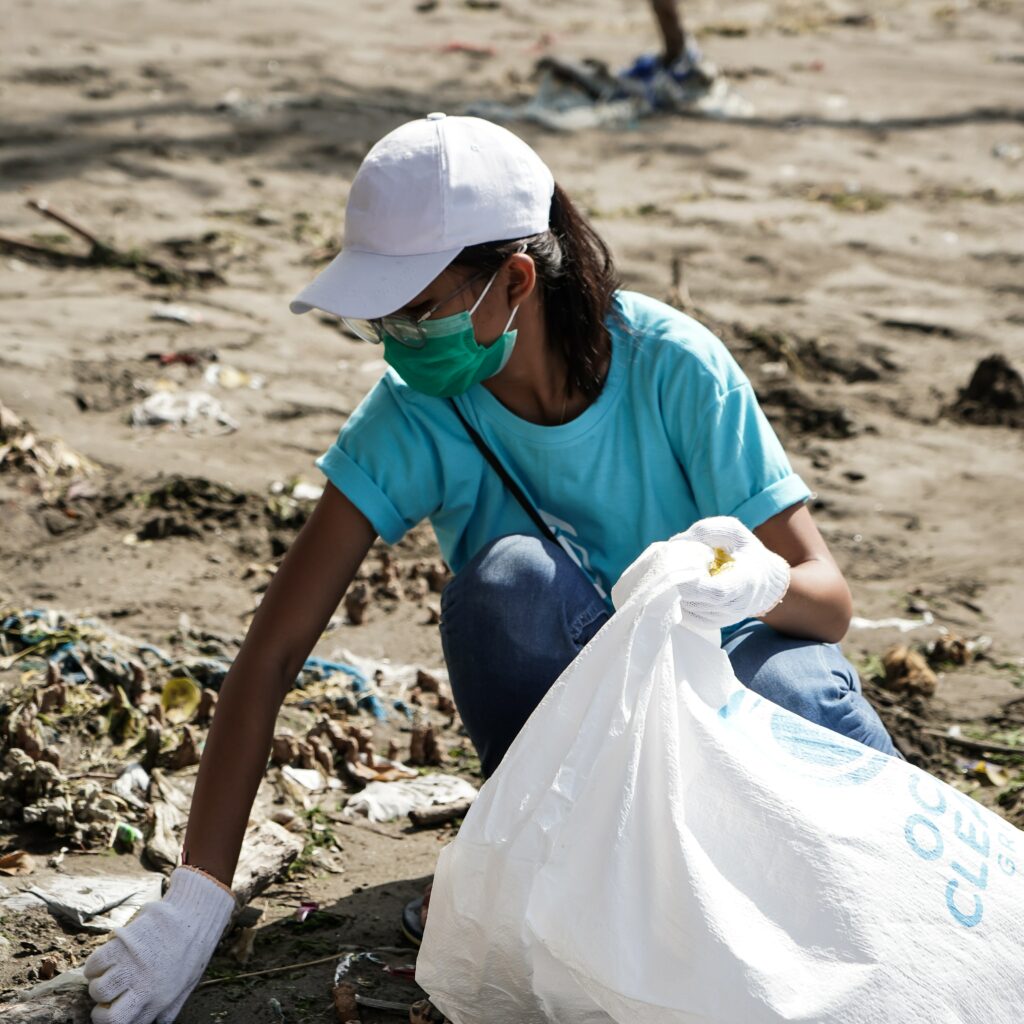
Amazóniko’s collaborative recycling network works by connecting participants through a digital platform. Subscribers join “La Tribu” (The Tribe) and receive recycling kits at home. Each kit provides instructions for identifying and separating different waste products.
The company collects sorted materials on a regular schedule. It also trains waste pickers (recicladores) to participate in a formal, data-driven system. Users earn discounts and points redeemable at partners like McDonald’s and Procolombia. This model turns recycling into a community-driven economic activity.
Where Is Amazóniko Expanding in Colombia?
Amazóniko is expanding in Colombia to cities like Medellín and Cali with support from the Rockstart accelerator program. Colombia’s startup ecosystem grew by 24% between 2024 and 2025. Amazóniko capitalized on Colombia’s National Digital Strategy (2023-2026). This government initiative emphasizes using technology to solve environmental challenges.
The company’s impact now extends beyond waste diversion. Amazóniko integrates marginalized waste pickers into a formal economic system. It received the Seed Low Carbon Award in 2018. The startup continues to grow its subscriber base and expand its geographic reach across Colombia.
Who Benefits from Amazóniko’s Recycling Model?
Households, waste pickers, and the environment all benefit from Amazóniko’s recycling model. Subscribers reduce their waste footprint while earning rewards. Waste pickers gain access to formal training and steady income. Colombia’s landfills receive less household waste as a result.
The model also benefits corporate partners. Companies that work with Amazóniko demonstrate their commitment to ESG goals. As environmental regulations tighten across Latin America, this type of partnership becomes more valuable for businesses of all sizes.
Why Is Betterfly Considered Latin America’s First Social Unicorn?
Betterfly is considered Latin America’s first social unicorn because it achieved a USD 1 billion valuation. The company kept social impact at its core throughout its growth. The Chilean insurtech raised USD 125 million in its Series C round in February 2022. Total funding reached USD 202 million to USD 205 million. The company proves that purpose-driven business models can scale.
How Does Betterfly’s Gamified Platform Reward Healthy Habits?
Betterfly’s gamified platform rewards healthy habits by converting physical activity into life insurance coverage and charitable donations. Users earn “Bettercoins” for walking, meditating, or sleeping well. Each step logged adds cents to the user’s insurance coverage.
Every calorie burned also donates food calories to malnourished children. Donations reach children in Chile, Haiti, and Venezuela. The app costs roughly the same as a Netflix subscription. It also provides access to support for physical health, mental health, and financial management.
How Has Betterfly Expanded Beyond Chile?
Betterfly has expanded beyond Chile by establishing a global hub in Madrid, Spain. In 2022, the company acquired Spanish startup Flexoh to integrate flexible compensation features. By mid-2025, Betterfly acquired SeuVale in Brazil. This move strengthened its “Impact-as-a-Service” model in one of the world’s largest corporate benefit markets.
The company now partners with major corporations like Icatu, BV, Samsung, and CNN Chile. Betterfly delivered more than 500,000 donations in 2019 alone. Despite rapid growth, the firm maintains a “camel” approach. It focuses on product integration and B2B partnerships rather than aggressive spending.
| Metric | Detail |
|---|---|
| Latest Funding Round | Series C (February 2022) |
| Amount Raised (Series C) | USD 125 Million |
| Total Funding | USD 202-205 Million |
| Post-Money Valuation | USD 1 Billion (Unicorn) |
| Global Headquarters | Madrid, Spain / Santiago, Chile |
| Key Acquisitions | Flexoh (Spain), SeuVale (Brazil) |
How Is Celuventas Closing the Digital Divide in Colombia?
Celuventas is closing the digital divide in Colombia by refurbishing smartphones for resale. Devices sell at roughly half the price of new phones. The Colombian startup tackles two problems at once. It reduces mobile phone waste while making technology accessible to more people.
How Does Celuventas Recondition Smartphones for Resale?
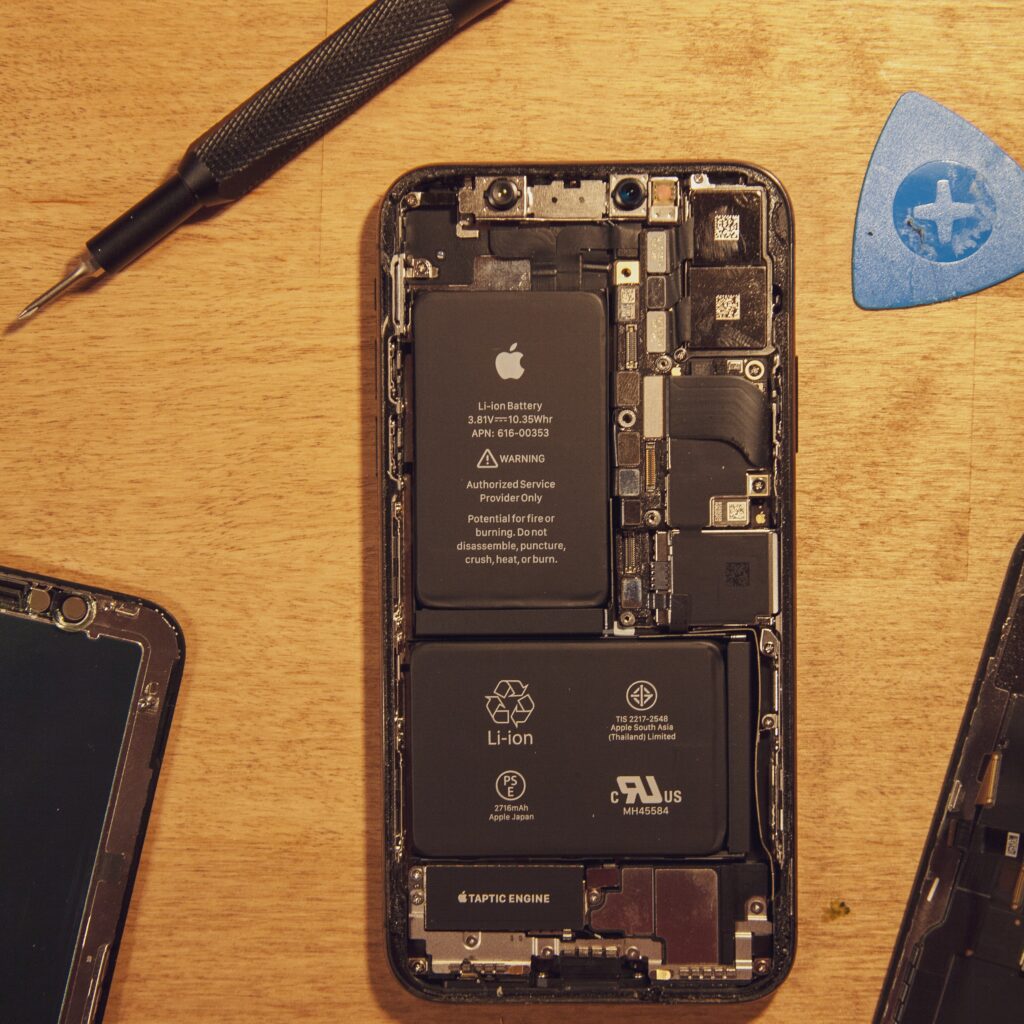
Celuventas reconditions smartphones for resale by putting each device through a rigorous technical certification process. Every phone must pass the same performance tests that brand new devices require. Devices that meet these standards receive a one-year guarantee.
The company ships phones in boxes made of recyclable materials. It also produces its own cables to reduce packaging waste. By 2025, Celuventas had streamlined its logistics and reverse-logistics chains. This allowed the startup to scale its “like-new” guarantee to a larger inventory.
Who Benefits from Affordable Reconditioned Devices?
Consumers, the environment, and Colombia’s digital economy all benefit from affordable reconditioned devices. Inflation and currency volatility make high-end technology inaccessible to many Colombians. Celuventas gives these consumers access to quality smartphones at half the cost.
Less than 20% of materials from discarded mobile phones get recycled globally. Celuventas directly addresses this waste problem. The company’s participation in Rockstart’s acceleration program helped it refine metrics and attract investors. These investors prioritize circular economy solutions in consumer electronics. For more on how entrepreneurship is growing in Colombia, see our overview.
Which New Startups Are Driving Social Impact Across Latin America?
The new startups driving social impact across Latin America include Eureciclo, Kilimo, and SunCompany. These companies emerged between 2021 and 2026. They use deep technology, AI, and creative financial tools to solve problems at scale. Each one operates in a different country and sector.
| Startup | Country | Core Mission | Key Impact (2025) |
|---|---|---|---|
| Eureciclo | Brazil | Circular economy, reverse logistics | 458,000 tons of waste compensated |
| Kilimo | Argentina | AI-driven water stewardship | Up to 50% water savings for farmers |
| SunCompany | Colombia | Solar energy, rural electrification | 57.6 MW solar capacity installed |
How Is Eureciclo Turning Recycling into a Financial Asset in Brazil?
Eureciclo is turning recycling into a financial asset in Brazil by creating a marketplace for “recycling credits.” Consumer goods companies buy these credits to fulfill their reverse-logistics obligations. The credits finance certified recycling cooperatives across Brazil.
Over 6,000 companies now use the Eureciclo seal on their packaging. Major brands like Qualy (BRF) and Friato are among them. The platform has compensated for over 458,000 tons of waste. It has transferred BRL 11.6 million to recycling cooperatives. Eureciclo has expanded into Chile and runs sandbox projects in France.
How Is Kilimo Using AI to Reduce Water Waste in Agriculture?
Kilimo is using AI to reduce water waste in agriculture by providing farmers with precise irrigation advice. The Argentine climate-tech firm combines satellite data with local weather patterns. Farmers can save up to 50% of their water usage without expensive sensors.
In July 2025, Kilimo launched its first project in California’s Central Valley. Microsoft partnered on this initiative to safeguard water in one of the most water-stressed regions in the United States. Kilimo’s monitoring systems quantify “water benefits” for corporate sponsors seeking water neutrality. This model positions farmers as managers of critical watershed resources.
How Is SunCompany Powering Colombia’s Green Energy Transition?
SunCompany is powering Colombia’s green energy transition by combining solar generation with large-scale battery storage. Founded in 2012 by Juan Diego Gómez and Mauricio Hoyos, the company operates 57.6 MW of solar capacity. It also manages 58.3 MWh of battery storage systems.
In September 2025, SunCompany secured USD 15 million from Bancolombia Ventures. The funding accelerates Colombia’s shift toward clean energy. SunCompany serves industrial, commercial, and utility-scale clients. It also runs NGO-supported community projects that bring clean energy to off-grid rural zones. The company employs over 250 professionals across Colombia. To learn more about where venture capital is heading in Latin America, read our analysis.
What Role Do EdTech and FinTech Play in Social Inclusion?
EdTech and FinTech play a direct role in social inclusion by removing barriers to education and financial services. In Latin America, 90% of children with disabilities are excluded from formal education. Millions of informal workers lack access to traditional mortgage credit. Two startups are solving these exact problems.
How Does Incluedu Use AI to Teach Sign Language in Peru?
Incluedu uses AI to teach sign language in Peru by providing a virtual instructor that gives real-time feedback. Founded by Giannina Honorio and Stev Mayuri, the platform uses computer vision to correct users’ gestures. Any device with a camera can run the software.
By early 2026, Incluedu reached over 10,000 students. The platform partners with 50 educational institutions in Colombia and Mexico. It adapts to regional sign language variants across Peru, Mexico, and Spain. Google selected Incluedu for its 2024 Google for Startups Accelerator program.
How Is Creditú Making Mortgages Accessible for Informal Workers?
Creditú is making mortgages accessible for informal workers by using AI to evaluate creditworthiness without traditional credit scores. The Chilean proptech company targets freelancers, immigrants, and informal workers. Its AI tools assess income and recurring payments instead of bank history.
Creditú reduces mortgage approval times from several months to under 48 hours. In October 2025, the company raised USD 6 million from ALIVE Ventures and L4 Venture Builder. This capital funds expansion into Peru and Brazil. Creditú also manages a USD 20 million fund with multilateral banks. This fund finances residential solar panels through a partnership with energy startup Ruuf.
- Incluedu – Reached 10,000+ students and 50 partner institutions across Peru, Colombia, and Mexico.
- Creditú – Originated USD 350 million in mortgages and raised USD 6 million in October 2025.
- Welli – Uses AI to provide instant medical financing in 60 Colombian municipalities.
- Guama – Democratizes credit access by evaluating income and payments instead of credit scores.
What Trends Are Shaping Socially Conscious Startups in 2026?
The trends shaping socially conscious startups in 2026 include AI-powered social inclusion, sustainable agriculture, and green manufacturing. These shifts reflect a broader move from awareness to execution. Latin American founders now prove that solving social problems creates durable competitive advantage.
How Is AI Accelerating Social Impact Across Latin America?
AI is accelerating social impact across Latin America by lowering the barriers to critical services. Startups like Welli use AI to provide instant medical financing in 60 Colombian municipalities. Guama uses AI to evaluate creditworthiness for people without bank histories. Hunty automates recruitment for high-volume roles across Latin America.
AI also powers educational tools like Incluedu’s sign language platform. These applications reach underserved communities at minimal cost. As AI models become cheaper and more capable, more socially conscious startups will adopt the technology to scale their impact.
Why Is Sustainable Agriculture Attracting New Investment?
Sustainable agriculture is attracting new investment because global food security demands carbon-negative farming methods. In 2024, agtech funding in Latin America reached USD 200 million. Specialized funds like GRIDX leverage Latin America’s unique biodiversity for bio-based ventures. Colombia’s climate-tech sector integrates bio-inputs and solar power into agricultural production.
Kilimo’s AI-driven water platform shows how agtech startups can scale globally. Patient capital funds now prioritize long-term biological outcomes. These investors seek returns beyond quarterly software metrics. Latin America’s natural resources make the continent ideal for this type of innovation. For insights on how Latin American startups are changing and evolving, explore our report.
How Is Nearshoring Creating Green Manufacturing Opportunities in Mexico?
Nearshoring is creating green manufacturing opportunities in Mexico by attracting companies that must meet strict ESG requirements. Cities like Tijuana and León now implement circular economy models. Companies in these cities integrate renewable energy to satisfy international partner standards.
Startups like EcoSolar provide affordable solar solutions for manufacturing infrastructure. DigiShoes Tech connects León’s traditional shoemaking industry with health-tracking technology. Foreign direct investment in Latin America rose 7.1% in 2024 to USD 188.9 billion. Mexico captures a growing share of this investment as global supply chains realign.
What Does the Future Hold for Impact Startups in Latin America?
The future holds continued growth for impact startups in Latin America. ECLAC forecasts regional GDP growth of 2.4% in 2026. New “green taxonomies” and sustainability-linked financing will reward startups with strong impact data. The integration of AI will keep lowering barriers to critical services across Latin America.
Colombian energy solutions are expanding into Mexico. Chilean proptech companies are entering Brazil. This cross-border expansion shows that Latin America functions as a unified hub for purpose-driven innovation. The foundations built between 2024 and 2026 suggest that socially conscious startups represent a permanent shift in Latin America’s economy.
How Can Founders Build Purpose-Driven Companies in Latin America?
Founders can build purpose-driven companies in Latin America by following the strategies that successful impact startups already use. Latin America offers strong institutional support for socially conscious ventures. Capital, mentorship, and market access are available through specialized programs.
- Target a measurable social problem – Focus on issues like waste, water scarcity, or financial exclusion where impact data attracts investors.
- Apply for regional accelerators – Programs like Rockstart Tech For Good and Start-Up Chile provide funding and mentorship at early stages.
- Adopt the “camel” model – Prioritize capital efficiency and sustainable growth over rapid, debt-fueled expansion.
- Build for cross-border scale – Design products that work across Latin American markets to reach 650 million consumers.
- Leverage AI and deep technology – Use AI to lower costs and reach underserved communities at minimal overhead.
What Resources Are Available for Impact Entrepreneurs?
The resources available for impact entrepreneurs include dedicated funds, accelerators, and government programs. ALIVE Ventures backs startups in the Andean region. The Zero Gap Fund has mobilized USD 1.05 billion toward Sustainable Development Goals globally. IDB Invest’s Caribbean Impact Manager Program builds local fund management capacity.
Government programs also support impact founders. Colombia’s National Digital Strategy (2023-2026) funds tech solutions for environmental challenges. Chile’s Corfo provides institutional support for SaaS and healthtech startups. These resources give founders multiple paths to launch and grow socially conscious ventures in Latin America.
Ready to Build Your Next Venture?
The Startup VC is a family office and company builder focused on creating scalable B2B service ventures across Latin America. We provide hands-on mentorship, operational expertise, and capital to help founders succeed.
Contact us today to explore opportunities.